Before you confirm the trip plan
Check the weather for a Gulf of Gdańsk boat trip along the whole route, including your return time. You need the wind forecast with gusts, wave conditions, visibility and warnings. Tell the operator when you want to leave and who is coming, then ask whether the chosen boat and forecast suit that plan.
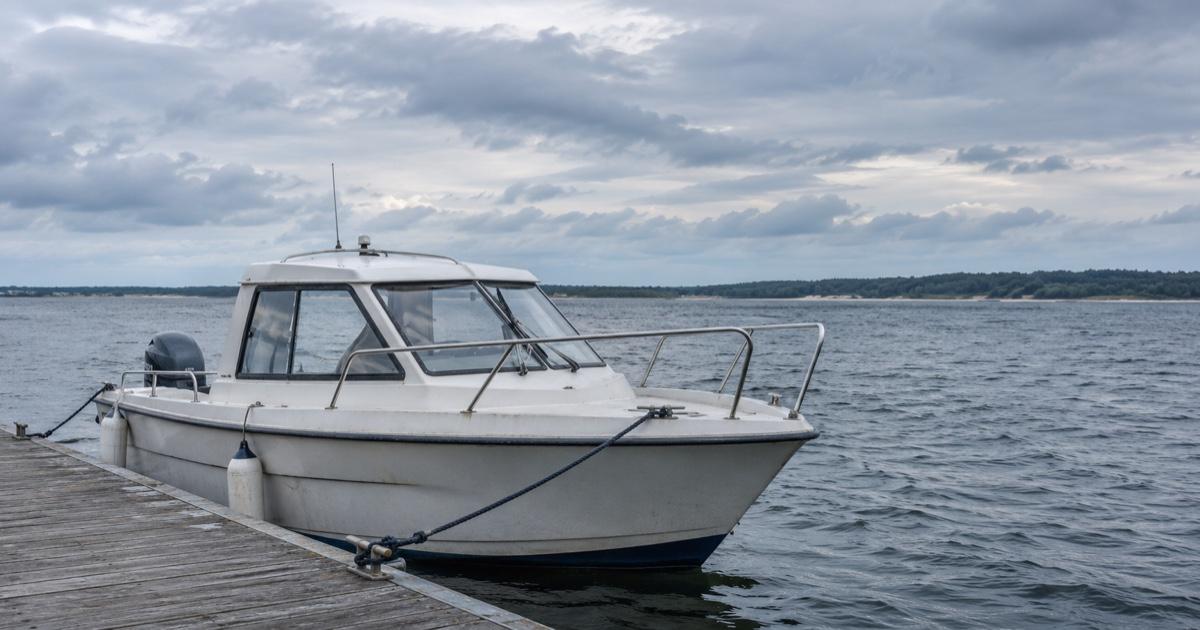
A sunshine icon in the forecast for Gdynia tells you little about conditions on the water. A photo of a calm marina doesn't describe the rest of your route either. If you plan to depart from Gdańsk, confirm the exact harbor and cruising area with the operator. Bring weather into the conversation about the boat before you arrive to collect the keys.
Where to check the forecast for the gulf
Start with the IMGW-PIB marine weather service. Find the forecast for the area where you plan to go and check its validity period. A forecast published in the morning is easily confused with one covering the morning. Find the issue time and the period covered separately.
Also check warnings and rainfall radar in the IMGW-PIB weather service. Radar helps you see where precipitation is at the time of observation. You still need a forecast to plan the whole trip. Check the time of the latest radar frame: an old image saved on your phone doesn't show the current situation.
When comparing apps, make sure you are looking at the same area, time and units. The same number in knots, meters per second and kilometers per hour means a different wind speed. If a bulletin uses UTC and your trip plan uses local time, put both in the same time zone first. Keep the source link so you can open the latest version before departure.
Read wind and waves separately
Average wind speed and gusts give you different information. A gust is a brief increase in wind speed; don't skip it when the average looks encouraging. Check the direction and expected changes over time too. Show the operator the actual values and their forecast time, rather than just saying your app shows good weather.
IMGW provides a wave forecast covering the Gulf of Gdańsk. It includes significant wave height and the direction in which waves travel. The IMGW explanation distinguishes the Beaufort wind force scale from the Douglas sea state scale. The same number on these scales doesn't mean the same thing.
| What you check | What to share with the operator |
|---|---|
| Wind | Average speed, gusts, direction and timing of changes |
| Waves | Significant wave height, wave direction, area and forecast time |
| Visibility and precipitation | Expected visibility, precipitation and current warnings |
| Timing | Departure, planned stop and expected return |
There is no single number that defines suitable weather for every rental boat and crew. The boat, route, skills of the person at the helm and passengers all matter. Ask about conditions for your specific trip. Ask the operator to assess conditions for the boat and departure time in your booking.
Plan the return as well
Open the forecast for the end of your trip, even if you're only going out briefly. Include any planned stop when checking the following hours. A wind change during that stop may require the person in charge to reassess the plan.
Agree with the operator what happens if the group wants to stay longer or conditions start to differ from the forecast. Find out in advance whom to contact and whether there is a shorter option. Don't assume every marina marked on a map will be suitable for a stop or for returning the boat.
When comparing options in Sopot and trips from Gdynia, confirm exactly where you will board and return. The city name in an offer doesn't replace those arrangements. Check availability and entry conditions for any planned stops separately.
Warnings and the conversation before departure
Read the warning itself, the area it covers and its validity period. The color on a map isn't enough. The absence of a warning doesn't settle whether a particular boat should leave with a particular group either.
Restrictions along the route need a separate check. The Maritime Office in Gdynia lists navigational warnings, hydrometeorological information, and closures of waters and ports among VTS information services. Ask the operator whether current notices affect your plan. The office also states that VTS assistance does not remove the captain's responsibility for safe navigation.
Check the forecast again on the day of the trip and before departure. If what you see from the pontoon concerns you, or you don't understand a bulletin, discuss it with the operator before boarding. As a passenger, mention if someone is worried about waves, is uncomfortable with the boat's motion or needs help boarding. These details help the operator agree on a suitable plan.
Before leaving home, also ask what to wear and bring for this boat. Find out whether there is shelter from wind and rain on board, and where you can keep a phone and dry clothes. Share the answers with the passengers so everyone can prepare for the conditions the operator expects.
When weather changes your booking
Before booking, establish who decides whether to change the trip, when you will hear from them and which phone number reaches the operator. Ask what happens to your payment if the trip is canceled and whether a different departure time, date or route is possible. The terms of the particular offer apply; don't assume an automatic refund or free rescheduling.
When comparing boat trips and rental options, note each offer's weather terms, then keep the chosen ones with your booking confirmation. Share the agreed plan with the other passengers, especially if the time or harbor may change. If the trip is canceled, you don't have to find another boat for the same day. Ask the operator whether the offer's terms allow a new date.
Questions before a boat trip
Is the forecast for Gdańsk enough for the Gulf of Gdańsk?
No. Check the marine forecast for your route and both departure and return times. A city temperature and rainfall forecast can add context, but it doesn't describe waves on the gulf.
What wind is suitable for a rental boat?
No single value fits every boat. Ask the operator about the specific boat, route and group. Share average wind speed, gusts and the forecast time. A general threshold found online doesn't account for those conditions.
Will a skippered trip run in any weather?
No. Before booking, ask how the operator confirms departure and communicates a change of plan. Having a skipper is no guarantee that the chosen route will go ahead.
What if two forecasts disagree?
Compare the area, times, units and update time. Show the difference to the operator. Until it is explained, don't simply use the more favourable value as the basis for your plan.